
Welcome to Unnatural20 Singapore.
D&D adventures tailored just for you, with a community that welcomes everyone.
We are
Unnatural20
Unnatural20 is a welcoming group of TTRPG Dungeon Masters that strives to deliver the most unique character driven D&D experience.
At Unnatural 20, we believe that Dungeons & Dragons is for everyone and we want to make it further customised for you! So oil your blade and grab your wand, join us for a jolly good time!

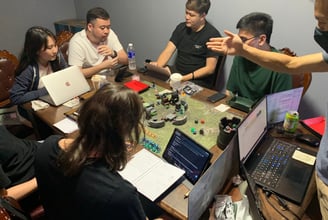



Player Reviews
” Great dm! This is the first time my character backstory was developed over the course of the story and the decisions we made really mattered. 10/10 will recommend! "
- Rachel as 'Polly the Rogue'
" I thoroughly enjoy every session he hosts and eagerly anticipate signing up for any upcoming long campaigns. The GM’s dedication to storytelling and player enjoyment truly shines! "
- Hao as 'Onyx the Warlock'
" These DnD sessions have been so much fun! GM keeps the mood light (with possible character death), fun, and exciting. He keeps the games moving along, while at the same time the game (both exploration and combat) are challenging - you never know what will happen next. I look forward to the next one the moment the current session ends! "
- Josh as 'Maximus the Fighter'
" Super meticulous DM that brings life to his games. His passion, planning and thought that goes into his games are palpable. "
- Marcus as 'Aeric the Rogue'
" You will straight up get murdered in possibly the most fun way. Excellent story-telling and roleplaying. Good for beginners or experienced players likewise. "
- Nat as 'Raema the Rogue'
We Offer Two Distinct Adventures
Pick wisely!


Learn to Play & One Shots
Discover the thrill of swift adventures with Learn to Play and One Shots, perfect for those who are new to D&D or prefer to blaze through games in a single session lasting only 3 hours.
Lasting Campaigns
Seeking games with enduring appeal, better plotlines and character development?
Look no further! Dive into campaigns that unfold in about 6 months of weekly play.

Sign up to embark on a specially crafted personal epic Dungeons & Dragons adventure!


